
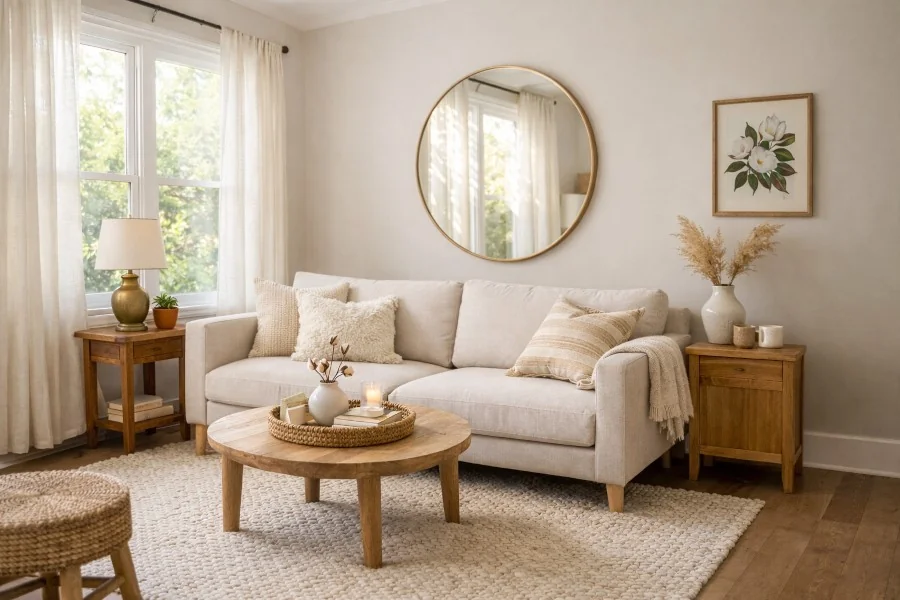
I’ve stepped into dozens of Atlanta living rooms over the years. From Craftsman homes in Grant Park to newer builds in West Midtown, I’ve seen one thing hold true every time.
A small living room isn’t the problem. Poor design decisions are.
Many Atlanta homes, especially in neighborhoods like Decatur, Inman Park, and Old Fourth Ward, weren’t built with open layouts in mind. The spaces are naturally compact. The real challenge is making them feel intentional instead of cramped. For additional inspiration on maximizing small spaces, check out gold coast clear for expert advice.
If you’re working with a small living room in Atlanta, this guide will walk you through practical strategies that actually make a difference.
Why Small Living Rooms in Atlanta Feel Challenging
Atlanta’s older homes were designed for a different lifestyle. Rooms were smaller and more defined. Open-concept layouts were not the priority.
In areas like Candler Park and Kirkwood, you’ll often find beautiful architectural details paired with limited space. High ceilings and hardwood floors help, but the layout can feel restrictive.
Then there’s the climate. Atlanta’s humidity affects how materials behave over time. Wood can expand. Fabrics can trap heat. These factors influence both comfort and durability.
Designing a small living room here means balancing layout, aesthetics, and climate considerations simultaneously.
Start With Light: Color and Natural Lighting
The fastest way I’ve seen a small living room improve is by fixing how it handles light.
Use the Right Wall Colors
Warm neutrals work best. Soft whites, warm greiges, and light earth tones reflect light, keeping the room from feeling flat.
Many Atlanta homeowners are moving away from stark white. Warmer tones feel more natural and still keep the space open.
Maximize Natural Light
If you have windows, treat them as assets.
- Replace heavy curtains with sheer panels
- Mount curtain rods higher than the window frame
- Extend rods wider than the window
These small adjustments make windows look larger, and ceilings feel higher.
Add Mirrors Strategically
A mirror placed across from a window doubles the light in a room. It also adds depth, which helps reduce the boxed-in feeling common in smaller spaces.
Choose Furniture That Works Harder
Furniture decisions make or break small living rooms. I’ve seen too many spaces, either overcrowded or under-furnished.
The goal is balance.
Focus on Proportion, Not Just Size
A compact sofa isn’t always the answer. What matters more is visual weight.
Look for:
- Slim arms
- Low profiles
- Exposed legs
These details make furniture feel lighter, even if the dimensions are similar.
Use Multifunctional Pieces
In smaller Atlanta living spaces, every piece should serve more than one purpose:
- Storage ottomans for seating and organization
- Console tables that double as desks
- Nesting tables for flexibility
- Benches that add seating without bulk
Pull Furniture Away From Walls
This is one of the most overlooked techniques.
Pushing everything against the wall can make a room feel tighter. Floating your sofa slightly forward creates better flow and more defined zones.
Alt text: small living room with tall shelves and vertical design maximizing space in Atlanta home
Use Vertical Space to Your Advantage
One advantage many Atlanta homes have is ceiling height. Most people don’t use it effectively.
Go Taller With Storage
Tall shelving and bookcases draw the eye upward. This shifts attention away from limited floor space.
Floating shelves also work well for storage without adding bulk.
Arrange Decor Vertically
Instead of spreading art horizontally, stack it vertically. This creates a more architectural feel.
Hang Curtains High
Install curtains close to the ceiling and let them fall naturally. This elongates the entire room visually.
Use Color Strategically in Small Spaces
Color isn’t something I recommend avoiding. It just needs to be controlled.
Stick to a Cohesive Palette
When walls, trim, and large furniture share similar tones, the room feels more continuous and open.
Choose One Focal Point
A single bold element works better than multiple small accents.
This could be:
- A patterned rug
- A statement chair
- A deep-toned accent wall
In many Atlanta homes, earthy and jewel tones work especially well as focal points.
Limit Patterns
Too many patterns create visual noise. Choose one dominant pattern and keep the rest subtle.
Layer Your Lighting
Lighting is often underestimated in small living rooms. Overhead lighting alone makes the space feel flat.
Use Three Layers of Light
- Ambient: Ceiling lights, ideally dimmable
- Task: Floor or table lamps for function
- Accent: Lighting that highlights decor or architecture
Wall sconces are especially useful. They free up surface space and add warmth without clutter.
Designing for Atlanta Homes
Living in Atlanta changes how I approach interior design.
Blending Old and New
The best spaces I’ve seen combine traditional elements with modern simplicity. A vintage piece paired with clean lines often works better than filling a room with new items.
Designing for Humidity
Atlanta’s climate affects material choices more than most people expect.
- Solid wood can expand or warp
- Heavy fabrics can feel uncomfortable in summer
Performance fabrics and durable finishes hold up better over time.
Even beyond furniture, I’ve noticed how humidity affects appliances and fixtures. Most homeowners eventually realize they need access to reliable appliance repair in Atlanta from a trusted provider like Appliance EMT, especially as wear and tear builds up over time.
Neighborhood Influence
Design preferences often reflect the area:
- Decatur and East Atlanta lean eclectic
- Midtown favors modern, minimal layouts
- Grant Park preserves traditional details
Understanding your neighborhood helps guide better design decisions.
Hard Lessons From Designing Small Living Rooms
After working through multiple small living room setups, a few patterns stand out.
Rugs Are Usually Too Small
A properly sized rug should sit under the front legs of your furniture. Small rugs make the room feel disconnected.
People Overfill the Space
Buying everything at once leads to clutter. Start with essentials and add slowly.
Storage Is Often an Afterthought
Small spaces need built-in organization. Without it, clutter builds quickly.
Statement Pieces Matter
One meaningful piece will always outperform several generic ones.
Everyday Habits Add Up
I’ve seen how small daily habits affect long-term costs, especially in Atlanta homes. Following energy-saving tips for everyday appliance use can extend the lifespan of appliances and reduce unnecessary repairs.
Frequently Asked Questions
What is the best sofa size for a small living room in Atlanta?
A sofa between 72 and 84 inches works well. Focus on depth and shape rather than just length.
Should I use dark colors in a small living room?
Yes, but sparingly. Use darker tones as accents while keeping larger elements light.
How do I reduce clutter in a small living room?
Use storage furniture, limit surface items, and keep only what serves a purpose.
Can a sectional work in a small space?
Yes, if it’s compact and placed in a corner. Avoid oversized sectionals.
Does open-concept design help in Atlanta homes?
It can, but it’s not required. Good layout, lighting, and color choices can achieve similar results.
Final Thoughts on Small Living Room Design
Designing a small living room in Atlanta comes down to making smarter choices, not bigger ones.
Focus on light. Choose furniture that serves multiple purposes. Use your vertical space. Keep your layout intentional.
The biggest shift I’ve seen is in mindset. Once you stop trying to make a small room feel large and instead focus on making it feel right, everything improves.
That’s when a compact space starts to feel well-designed.
