
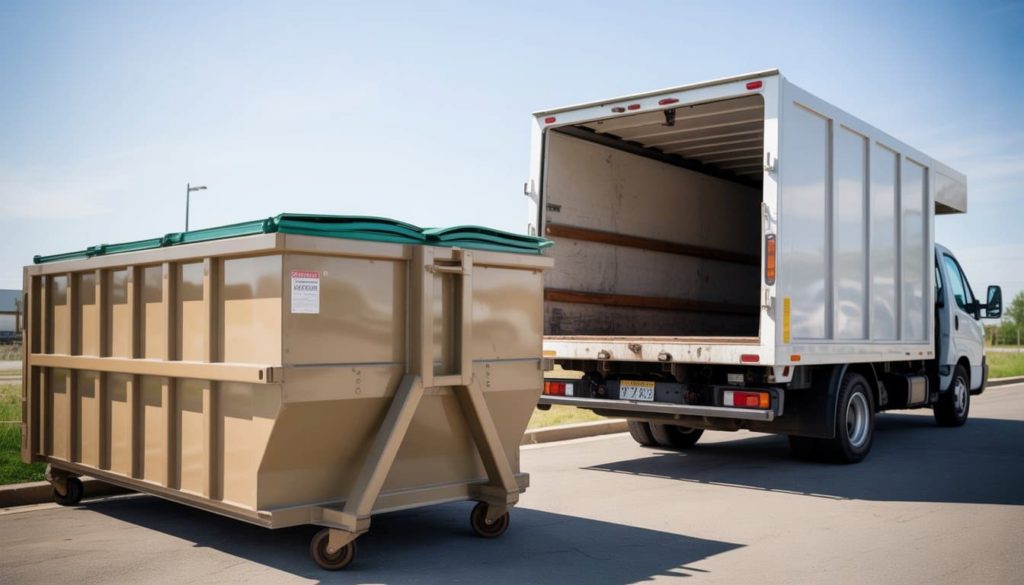
If you have ever managed a cleanup or renovation in a dense neighborhood, you know the real challenge is not always the debris. It is the space. Narrow streets, parked cars, overhead wires, tight alleys, and strict local rules can turn a simple roll-off dumpster rental into a logistical puzzle.
The good news is that with a little planning, you can keep your project moving and avoid day-of-delivery surprises. Here are practical, field-tested tips to help you choose a safe placement, protect surrounding property, and keep access clear on tight urban sites.
1) Start with a “where can the truck go?” mindset
A roll-off container is delivered by a truck that needs room to approach, back in, and raise the bed to slide the container off. In tight areas, the delivery route matters as much as the final placement spot.
Before you schedule:
- Walk the approach path and look for pinch points like tight turns, low branches, and narrow one-way streets.
- Note steep slopes, soft shoulders, or construction zones that could limit truck positioning.
- Think about the pickup too. A container that is easy to drop can still be hard to retrieve if cars or materials block access later.
2) Check overhead clearance early
Overhead wires, low tree limbs, and awnings are common in older neighborhoods. During delivery and pickup, the truck needs vertical clearance as the bed tilts.
Look up and check for:
- Utility lines near the curb
- Service drops to homes
- Tree canopies that hang into the street
- Building overhangs near alleys or loading zones
If anything looks close, take a quick photo and confirm with your hauler before delivery day.
3) Decide between street placement and private property
On many urban projects, the best spot is either:
- On private property (driveway or parking pad), or
- On the street (curbside)
Private property placement often reduces traffic conflict, but you will want to protect surfaces. Street placement can be ideal for access, but permit requirements and parking restrictions vary by municipality. If you are unsure, ask your hauler what is common in your area and confirm with the local office that manages right-of-way permits.
4) Protect surfaces and plan for load-in efficiency
In tight spaces, a container that is “technically placed” but awkward to use will slow your crew down.
A few simple improvements:
- Use plywood or other protective barriers where appropriate to reduce surface marking.
- Leave a clear walking lane from the work area to the container.
- Keep the area around the container free of stacked materials so doors can open and people can load safely.
5) Keep the container accessible all week, not just on day one
A common urban mistake is allowing the container to become boxed in by parked cars, deliveries, or staged materials.
Set expectations with your team:
- Mark the area with cones or signage if needed.
- Remind crews and subs not to lean materials against the container or block the door swing.
- If street-placed, consider how trash day, street sweeping, or moving trucks might affect access.
6) Be mindful of weight in wet weather
In cities, projects often run through unpredictable weather. Rain and snow can add weight quickly, especially with mixed debris or yard waste. Wet material is heavier than most people expect, and that can affect disposal totals.
Practical habits that help:
- Cover debris piles before loading when possible.
- Avoid letting material sit in the container uncovered for long periods during storms.
- Ask your hauler what is included and how overages are handled so there are no surprises.
7) Know what needs special handling
Most standard project debris is fine, but some items require extra steps or cannot go in the container. Appliances are often acceptable as long as they do not contain regulated material (for example, freon in refrigerators). When in doubt, ask before you toss. It is faster and cheaper to clarify upfront than to deal with a rejected load later.
Quick “Tight Site” Checklist (Save This)
- Confirm approach route and turning clearance
- Check overhead wires and tree limbs
- Decide street vs driveway placement and verify local rules
- Protect surfaces and keep doors accessible
- Plan for pickup access, not just delivery
- Ask about included disposal and weight expectations
- Confirm any restricted or regulated waste items ahead of time
Closing thought
A smooth roll-off dumpster rental in an urban area is all about reducing friction. When space is limited, communication and site prep do most of the heavy lifting. If you plan the placement like you plan the work, the container becomes a tool that speeds the job up instead of a problem you manage all week.