
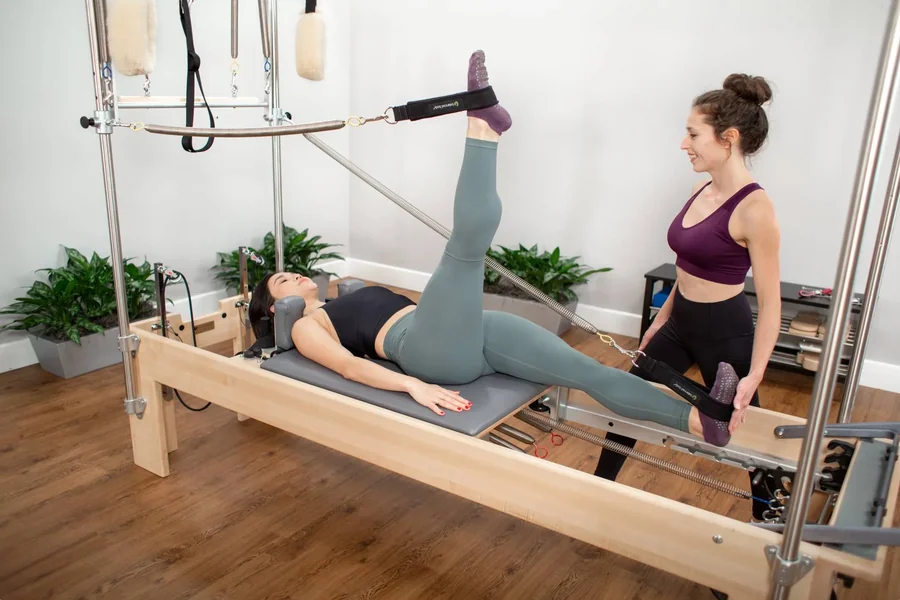
The growing popularity of home Pilates has created opportunities to purchase equipment from people upgrading their home studios, changing their exercise routines or simply clearing unused fitness gear. A second-hand pilates reformer machine can appear particularly attractive when the advertised price is substantially below that of a new model. However, unlike a simple exercise mat or dumbbell, a reformer contains numerous moving components that experience repeated mechanical stress. Understanding what to inspect, which questions to ask and how to calculate the actual ownership costs can help buyers distinguish a worthwhile purchase from equipment that may require expensive repairs.
Start By Identifying The Exact Model
An online advertisement describing a reformer as professional quality tells you surprisingly little about its actual specifications. Before arranging an inspection, ask the seller for the manufacturer’s name, model designation, approximate purchase date and original documentation. A pilates reformer machine may have undergone design revisions that affect dimensions, accessories or replacement-part compatibility. Search for the original product specifications to establish its intended purpose, maximum user weight and maintenance requirements. Confirm whether the equipment was designed for home or commercial use. A recognised brand name alone does not establish the condition or suitability of a particular second-hand unit.
Examine The Frame For Hidden Damage
The frame provides the structural foundation for every movement performed on a reformer. Inspect joints, fasteners, supporting legs and areas where different materials connect. A pilates reformer machine should stand securely on a suitable level surface without unexpected movement or noticeable instability. Look for bent components, corrosion, cracks or evidence of improvised repairs. Wooden frames deserve attention around joints and attachment points, while metal structures should be examined for deformation and damaged finishes. Cosmetic scratches may be relatively unimportant, but structural defects warrant caution. Never assume visible damage is harmless without appropriate assessment.
Test The Carriage Along Its Full Travel
A reformer’s carriage should move consistently along its intended path without catching, scraping or producing unusual mechanical sounds. During an inspection, operate the carriage as instructed and observe its movement over the usable rail length. A pilates reformer machine with damaged wheels, bearings or tracks may require more than a simple adjustment to restore reliable operation. Examine accessible surfaces for uneven wear, dirt accumulation or signs of previous modifications. Ask whether the carriage has ever required repairs. If movement feels unpredictable, investigate the cause before purchasing rather than accepting an assurance that the mechanism merely needs lubrication.
Understand Why Spring Condition Matters
Springs are fundamental to the resistance system, making their condition particularly important when evaluating used equipment. Repeated stretching and compression can gradually affect performance, while corrosion or physical damage may create safety concerns. A pilates reformer machine should have springs that meet the manufacturer’s specifications and inspection requirements. Ask how frequently the reformer was used, whether springs have been replaced and whether genuine compatible components remain available. Never rely exclusively on appearance to establish spring safety. Where maintenance history is uncertain, factor appropriate professional inspection or replacement into your budget, following the manufacturer’s guidance on service intervals and component life.
Inspect Straps, Ropes And Adjustment Mechanisms
Smaller components are easy to overlook because they rarely dominate product photographs. Nevertheless, worn ropes, damaged stitching, deteriorating handles and malfunctioning adjustment hardware can affect the usability of a pilates reformer machine. Examine accessible attachment points, pulleys, clips and footbar locking mechanisms according to the product’s operating instructions. Look for fraying, unexpected resistance or parts that no longer secure correctly. Ask whether replacement accessories are readily available in Australia and whether generic substitutes are permitted by the manufacturer. Some apparently inexpensive reformers become costly when proprietary components are difficult to obtain or require specialist installation.
Ask Questions About The Equipment’s Previous Use
A reformer used occasionally in a private home may have experienced a different workload from equipment previously installed in a busy commercial studio. However, usage history is only one consideration; maintenance and storage conditions also influence equipment condition. Ask whether the pilates reformer machine was stored indoors, exposed to moisture, moved frequently or used by multiple people. Request any servicing records and original purchase documentation. A cooperative seller should be willing to explain the equipment’s history without making unsupported guarantees. Where possible, arrange an inspection before payment and avoid relying entirely on photographs taken from flattering angles.
Calculate The Cost Of Collection And Relocation
Transporting a reformer can be more complicated than collecting ordinary household furniture. Some models are long, heavy or awkwardly balanced, while others contain components that must be secured before moving. Before purchasing a pilates reformer machine, confirm its assembled dimensions, weight and manufacturer-approved transport procedure. Measure doorways, stairwells, vehicle access and the intended installation area. Professional transport may be necessary for larger units. Improper dismantling can damage components or create safety risks, so avoid removing structural parts without suitable instructions. Include transport, reassembly and any necessary inspection costs when assessing whether the advertised discount represents genuine savings.
Compare The Second-Hand Price Against A New Reformer
A low advertised price does not automatically translate into a better purchase. When comparing a used reformer with a pilates reformer machine available new, examine the complete package rather than the equipment price alone. New products may offer current documentation, manufacturer support and applicable consumer guarantees, while second-hand private sales can involve different rights and risks. Consider accessories, delivery, expected component replacement and the availability of spare parts. A modest saving may be difficult to justify if the used equipment requires immediate maintenance. Conversely, a carefully maintained reformer at a substantial discount could represent sensible value.
Know When Walking Away Makes Financial Sense
An attractive listing can create pressure to make an immediate decision, especially when similar equipment appears expensive elsewhere. Nevertheless, uncertainty about structural integrity, missing identification details or unavailable replacement components should influence your assessment. A pilates reformer machine is intended for repeated exercise under resistance, making reliability more important than securing the cheapest possible deal. Establish a maximum total budget before negotiating and allow room for legitimate repair expenses. If significant defects cannot be assessed, repaired or accurately costed, consider alternative equipment. The strongest purchase decision is one supported by verifiable condition, suitable specifications and realistic ownership expectations.
Frequently Asked Questions
Is a used pilates reformer machine worth buying? It can be worthwhile when the equipment is suitable, properly maintained, reasonably priced and supported by accessible replacement parts.
What components should I inspect first? Prioritise the frame, carriage, rails, springs, ropes, attachment hardware and safety-related adjustments.
Can reformer springs be replaced? Many manufacturers offer replacement springs, but compatibility and replacement procedures vary between models. Follow the manufacturer’s specifications.
Is commercial Pilates equipment better than home equipment? Not necessarily. Commercial equipment may be designed for frequent use, but its previous workload, condition and suitability still require assessment.
Do second-hand reformers come with warranties? Warranty transferability and consumer rights depend on the seller, circumstances of sale and applicable terms. Confirm these before paying.
How do I choose between a new and used pilates reformer machine? Compare total ownership costs, condition, manufacturer support, available documentation and your tolerance for maintenance uncertainty.
