
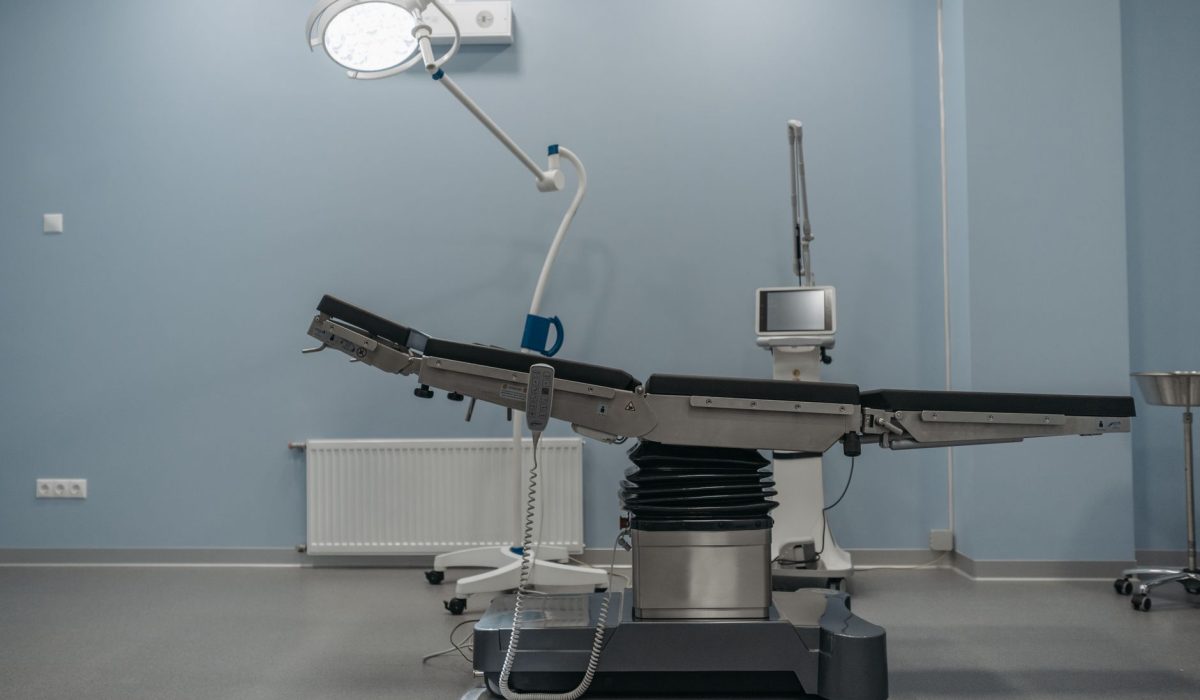
Technology has transformed nearly every part of daily life, from the appliances that simplify household tasks to the medical devices that improve patient care. Some of the most exciting developments are happening in eye care, where advanced laser systems and diagnostic equipment are helping doctors provide increasingly personalized vision correction.
For people who depend on glasses or contact lenses, LASIK offers an opportunity to reduce that dependence. Modern techniques combine detailed eye measurements with precise laser treatment, making vision correction an appealing option for many adults who meet the necessary health requirements.
How LASIK Technology Works
LASIK stands for laser-assisted in situ keratomileusis. The procedure corrects common vision problems by reshaping the cornea, the transparent surface at the front of the eye.
When the cornea doesn’t focus light properly onto the retina, vision becomes blurry. LASIK changes the cornea’s shape to improve that focus, potentially reducing the need for prescription eyewear.
According to the U.S. Food and Drug Administration, medical lasers use highly focused light to perform precise procedures, including refractive eye surgery.
Modern LASIK commonly involves two types of lasers. A femtosecond laser creates a thin corneal flap, while an excimer laser removes a carefully calculated amount of tissue to correct the patient’s prescription. The procedure is generally completed in a short outpatient appointment, although recovery and visual stabilization vary between individuals.
Advanced Eye Mapping Makes Treatment More Personalized
One of the biggest developments in laser vision correction is the ability to measure the eye in exceptional detail. Modern diagnostic systems can create detailed maps of the cornea, helping ophthalmologists evaluate its curvature, thickness, and other characteristics before surgery.
These measurements serve two important purposes. First, they help determine whether someone is a suitable candidate for LASIK. Second, they provide information that can guide the treatment plan. Some systems also incorporate wavefront measurements or corneal topography to support customized corrections.
The Everyday Benefits of Clearer Vision
While the technology behind LASIK is impressive, its potential benefits are easy to understand.
People who wear glasses or contact lenses often develop routines around cleaning, replacing, and maintaining them. Glasses can fog up during temperature changes, while contact lenses require proper hygiene and regular replacement.
For suitable LASIK patients, reducing dependence on corrective eyewear can simplify these everyday activities. Traveling may become more convenient without additional contact lens supplies. Exercise can feel easier without glasses slipping during movement, and mornings may involve fewer steps before starting the day.
These practical advantages help explain why laser vision correction continues to attract interest among adults seeking greater flexibility in their daily routines.
What Makes Someone a Good Candidate?
Despite its benefits, LASIK isn’t appropriate for everyone. A comprehensive eye examination is essential before deciding whether to proceed.
Ophthalmologists evaluate several factors, including prescription stability, corneal thickness, tear production, and overall eye health. Certain conditions, such as significant dry eye or corneal abnormalities, may make surgery unsuitable.
LASIK also carries potential risks, including dry eyes, glare, halos, and visual disturbances. Some patients may continue to need glasses for certain tasks, particularly as age-related vision changes develop. The FDA’s LASIK surgery checklist provides useful guidance for evaluating the procedure and discussing expectations with a surgeon.
A Promising Combination of Technology and Personalized Care
Modern LASIK demonstrates how medical technology can create meaningful improvements in everyday life. Detailed diagnostic imaging, precise laser systems, and individualized treatment planning have expanded the possibilities for people interested in vision correction.
For those who qualify, the potential to enjoy clearer vision with less reliance on glasses or contact lenses can be a welcome change.
The best results begin with informed decisions, realistic expectations, and experienced medical guidance. As eye care technology continues to advance, LASIK remains an important example of how innovation can help people experience the world with greater clarity and convenience.
